

Everyone in the room agrees it is a good idea. Nobody can say who it is for.
GymBait.AIA PRODUCT THAT STARTED AS A QUESTION ABOUT COACHING
Shall we chat?Innovation design company
An idea with no shape absorbs budget without ever being wrong.
It survives every review because there is nothing specific enough to argue with. Meanwhile the team builds around it, the roadmap bends to it, and the first real test happens after the money is spent.
Make it specific enough to be wrong
- 01Weeks 1 to 2
Research
What the people you are building for actually do today, and where the friction is. Usually not where the room assumed.
- 02Weeks 3 to 4
Ideation
Three directions, different enough to argue about, each with the reason it might fail written next to it.
- 03Weeks 5 to 7
Prototyping
The chosen direction as something people can use and react to, plus what happened when they did.
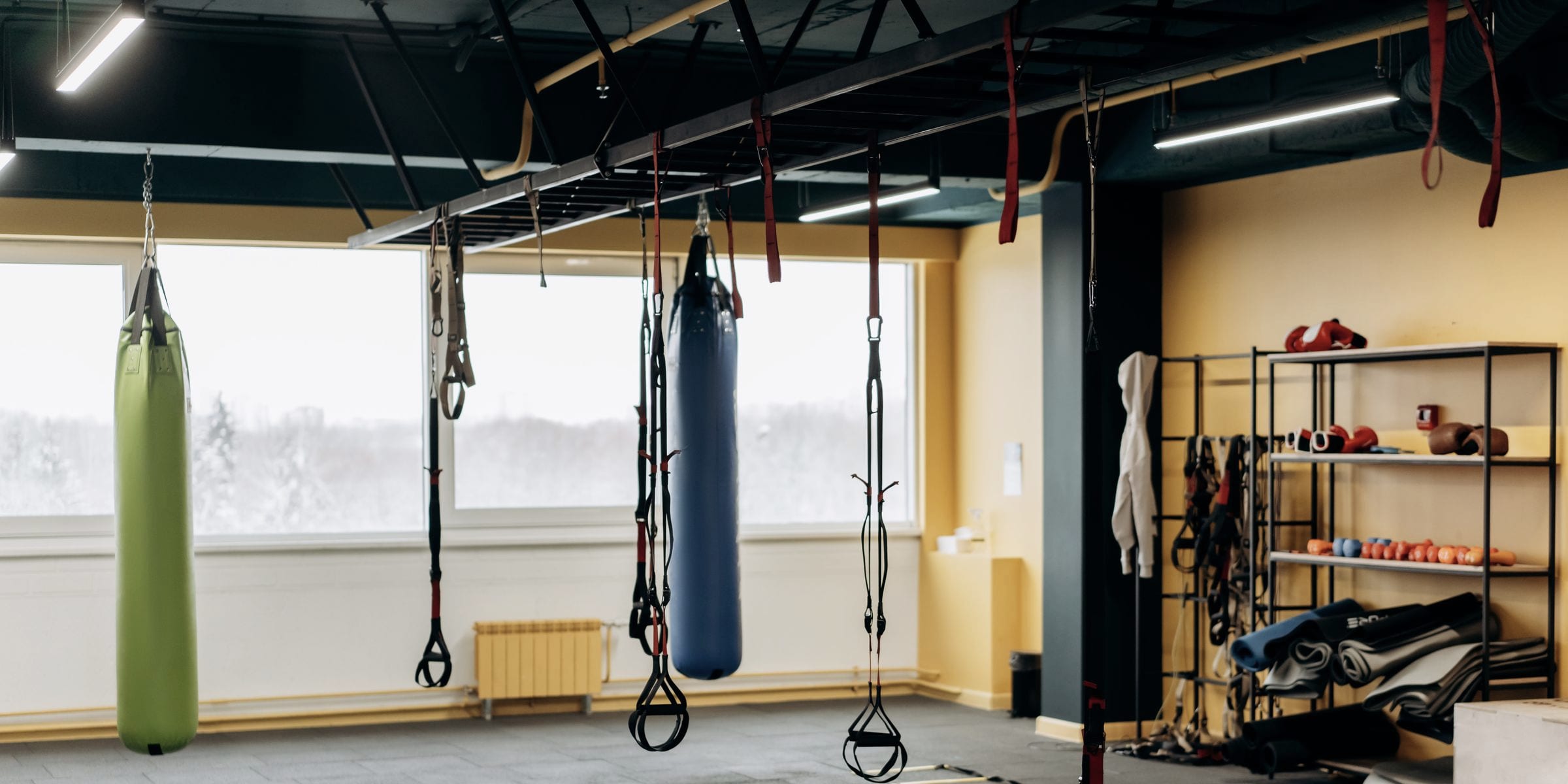
GymBait.AI
A fitness business asking whether coaching could reach members at the moment it mattered rather than at their next session.
- Turned the ambition into one testable thing: a nudge that learns from how a member actually trains.
- Built it as a product with a human in the loop rather than as a model with an interface on top.
What an innovation engagement includes, and what it does not
In
- Research with the people you are designing for
- Three distinct directions, with the risks named
- A working prototype of the chosen one
- Testing it with real users and reporting what happened
- A recommendation, including the option to stop
- Everything documented so another team could pick it up
Out
- Building the production product, that is a separate engagement
- Brand identity or naming
- A workshop with no prototype at the end of it
- Market sizing and investment decks
- Telling you your idea is good, when it is not
What you are signing up to
- Typical duration
- Seven weeks from kickoff to a tested prototype and a recommendation.
- Who you work with
- Design leadRuns the research and owns the argument for each direction.
- Product designerTakes the chosen direction to something people can actually use.
- EngineerPart time, building the prototype so it survives contact with real users.
- What we need from you
- Access to eight people from the group you are designing for
- A decision maker in the room at the end of week four
- Willingness to hear that one of the three directions is the answer and it is not the one you brought
- How pricing works
- Fixed price for the seven weeks, agreed before we start. What happens afterwards is a separate conversation and a separate quote.
Our Innovation Design Services
- INNOVATION
INNOVATION DESIGN CONSULTING
From tailor-made design thinking approaches to complete innovation methodology development, we provide versatile innovation design consulting services.
- INNOVATION
INNOVATION STRATEGY DEVELOPMENT
Tap into our strength in developing go-to-market innovation strategies tailored for competitive modern markets. At Roars Inc., we specialize in creating innovative business models that foster sustainable competitive advantages.
- DESIGN
SERVICE DESIGN
As part of our holistic innovation design services, our expert team delivers remarkable brand experiences through end-to-end service design. From stakeholder mapping to customer journey design and prototyping, we focus on materializing every customer touchpoint to elevate your service offerings globally.
- PRODUCT
PRODUCT DESIGN
We help you bring new product ideas to life. Hire our product designers who all have wide-ranging development skills to create unique products with high market impact. Our innovation design company empowers clients to create products that stand out in the market and deliver real business value.
- DIGITAL
DIGITAL DESIGN
Our tailored digital design services are built to enhance customer interaction across platforms. Whether it's a website, mobile application, or digital tool, we design intuitive and innovative digital experiences that keep users engaged.
Our Innovation Design Process
Research
Our innovation design process begins with extensive research. We collaborate closely with clients and apply both qualitative and quantitative methods to uncover what kind of service their potential customers actually desire. This research is the foundation for developing meaningful, user-centered solutions.
Ideation
Once the research is complete, our interdisciplinary team kicks off the ideation phase. Leveraging creative techniques and human-centered design principles, we generate innovative ideas that align with both customer needs and business goals. This is where the heart of our innovation design services comes into play.
Prototyping
In the final phase, we prototype and test concepts using a range of service design tools. These prototypes are evaluated for usability, functionality, feasibility, and market readiness. By integrating this step into our innovation design process, we ensure faster validation and smoother implementation of new services.
Asked on real calls.
Then this is the wrong engagement and product development is the right one. We will tell you that on the first call rather than sell you a discovery you do not need.
That happens, and it is still a result. It usually means the research found a different problem than the one the brief described, which is worth knowing at week four.
No. A workshop produces alignment; this produces a prototype that real users have used and a record of what they did with it.
Yes, and often we do. It is not a condition, and the documentation is written so somebody else could.
You have something specific enough to be rejected, and evidence about whether it was. That is a better position than a good idea everyone agrees with.